Somebody printed a vinegar recipe in a national medical register.
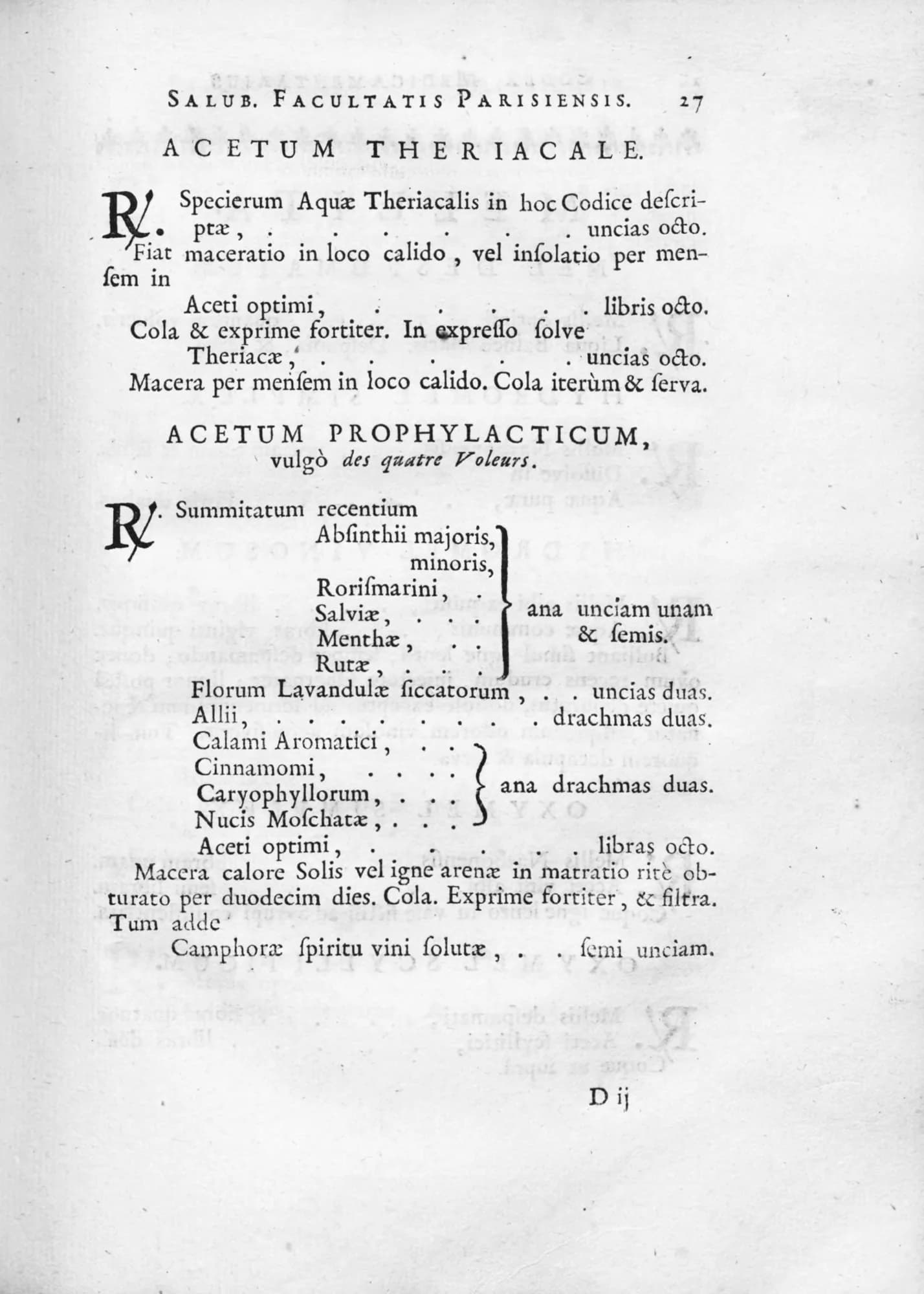
That’s the real page. The Paris faculty of medicine kept an official book of what a pharmacist could make, and in 1748 one entry was herbs sitting in vinegar. We read it ourselves to see how close it is to what we make.
Acetum Prophylacticum
vulgò des quatre Voleurs
The title has a nickname in it.
The Latin means prophylactic vinegar, and then the book adds what people called it: the vinegar of the four thieves. The story is about robbers who stripped plague houses and never got sick. Nobody has ever found them. A French pharmacy historian spent more than forty years looking for a name or a trial and came back with nothing, so we’re leaving the thieves in the nickname and looking at the recipe.
Thirteen plants, weighed out to the drachm.
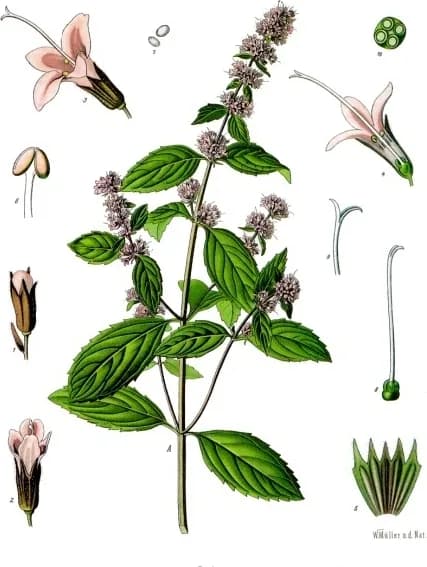
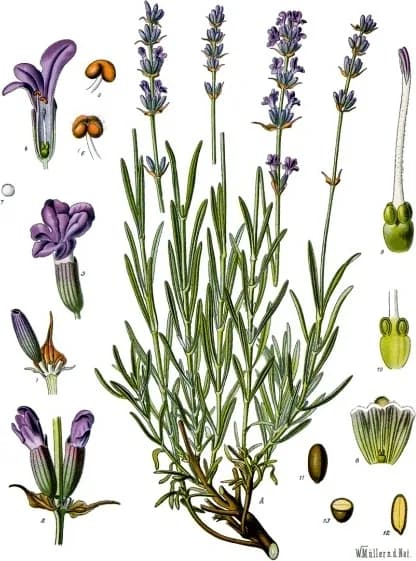
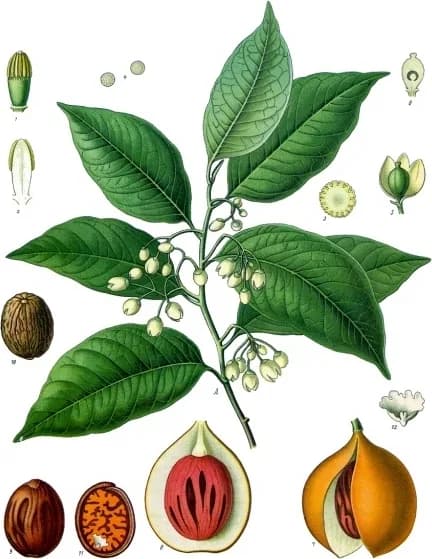
Here’s the whole thing as printed, in apothecary measures. Most of it is ordinary: rosemary, sage, mint, lavender, cinnamon, cloves, nutmeg and garlic are all things you’d find in a well-stocked cupboard today.
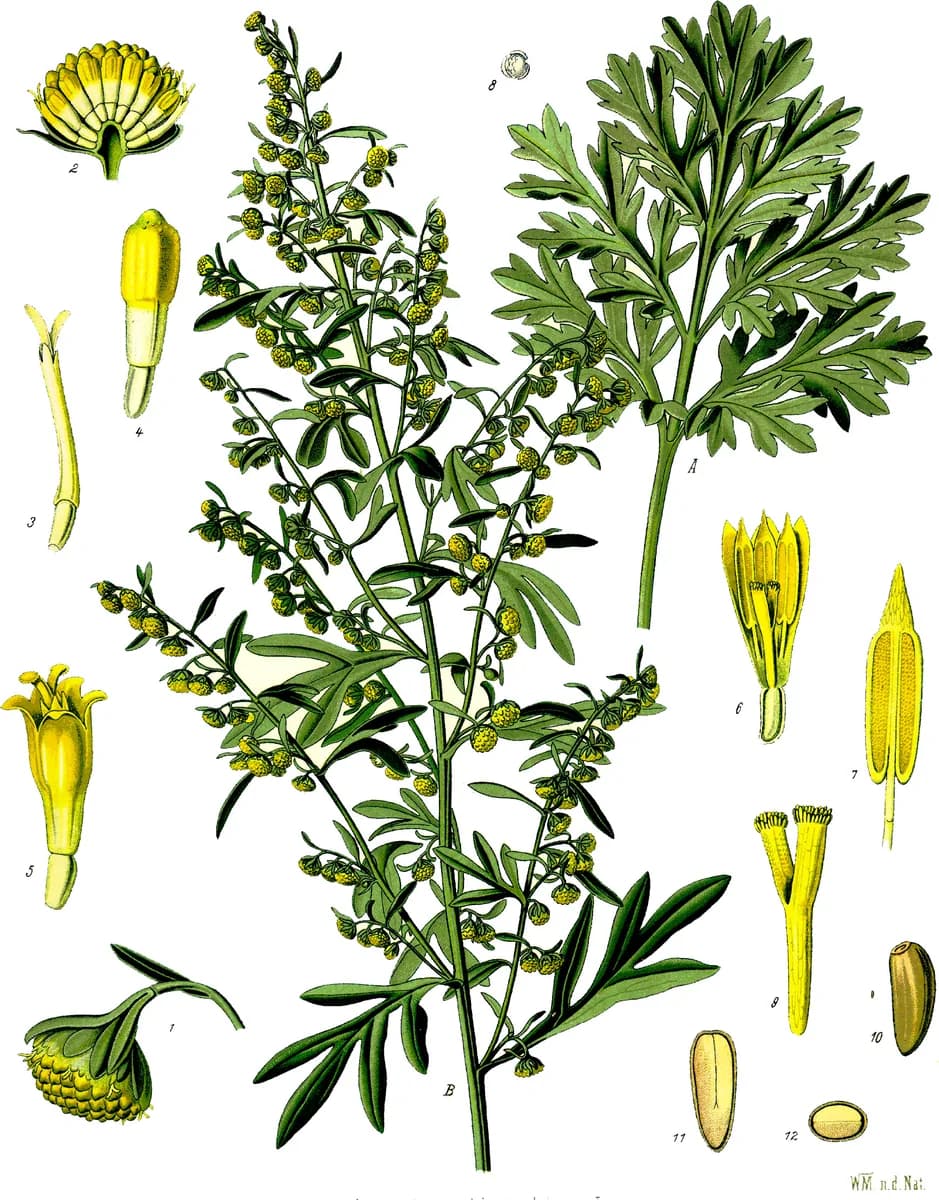
01Greater wormwoodAbsinthii majorisGreater wormwoodan ounce and a half
02Roman wormwood no plateAbsinthii minorisRoman wormwoodan ounce and a half
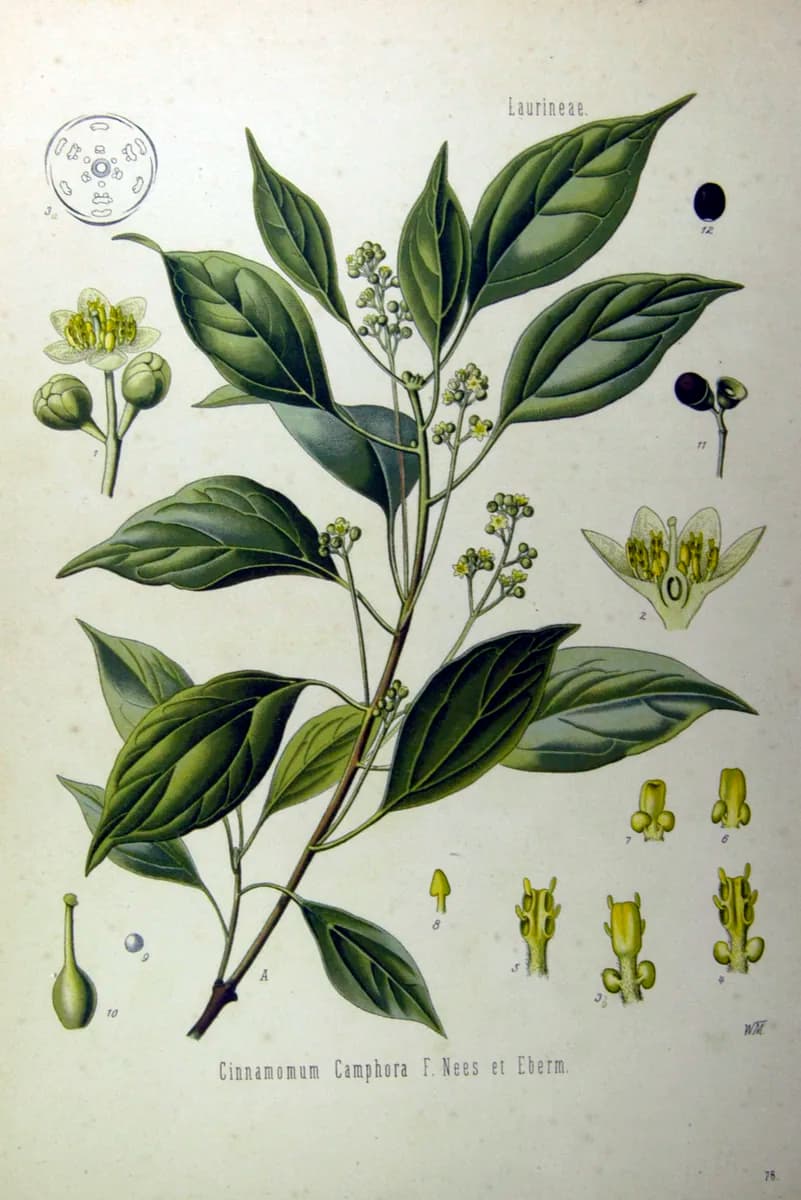
13CamphorCamphoræCamphorhalf an ounce, dissolved in spirit of wine
14Aceti optimiThe best vinegareight pounds
Twelve days in the sun.
Macera calore Solis vel igne arenæ in matracio rite obturato per duodecim dies. Cola. Exprime fortiter, & filtra.
Steep it in the heat of the sun, or on a sand fire, in a properly stoppered flask, for twelve days. Strain it. Press it hard, and filter it.
Every summary we found says ten to fifteen days. The 1748 page says twelve, in the heat of the sun, in a properly stoppered flask. That’s close to what we do in Brantford, except we steep for weeks and there’s no sun involved. This is Ontario.
Acetum Prophylacticum
Then it was struck out.
Sometime in the nineteenth century the French pharmacopoeia dropped the entry, and the recipe went back to being something people made at home. Three of the thirteen plants are why a modern kitchen won’t touch the original.
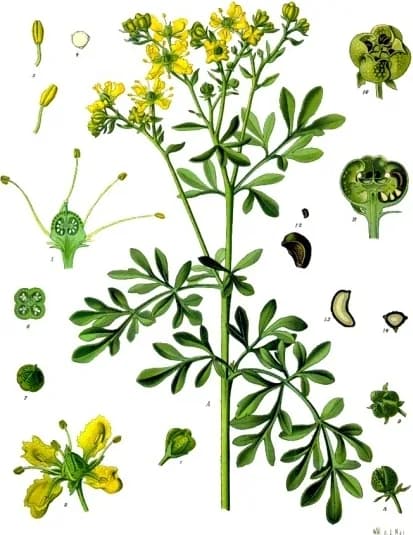
RueToxic to swallow. It burns skin in sunlight.
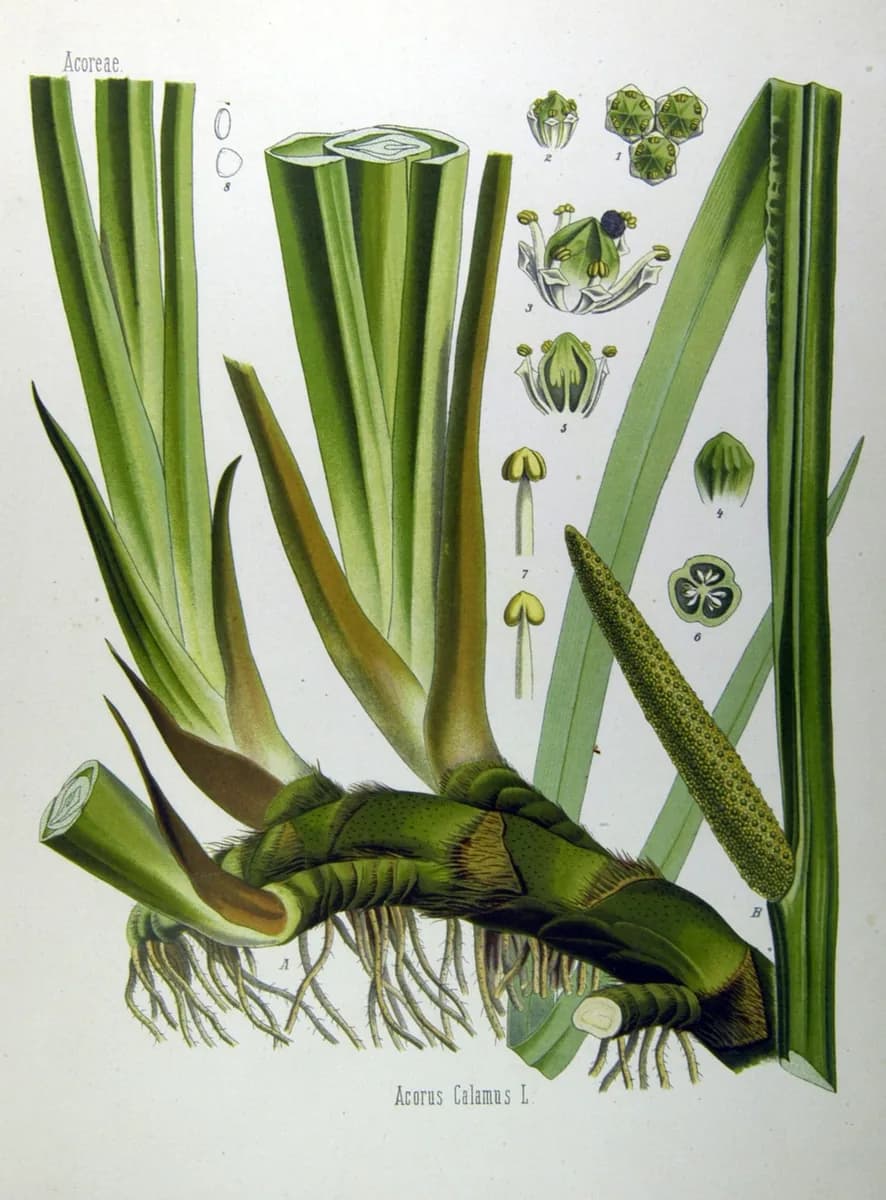
Sweet flagBarred from food over a compound called beta-asarone.
CamphorToxic to swallow. It’s a rub, not a drink.
Five of them are still here.
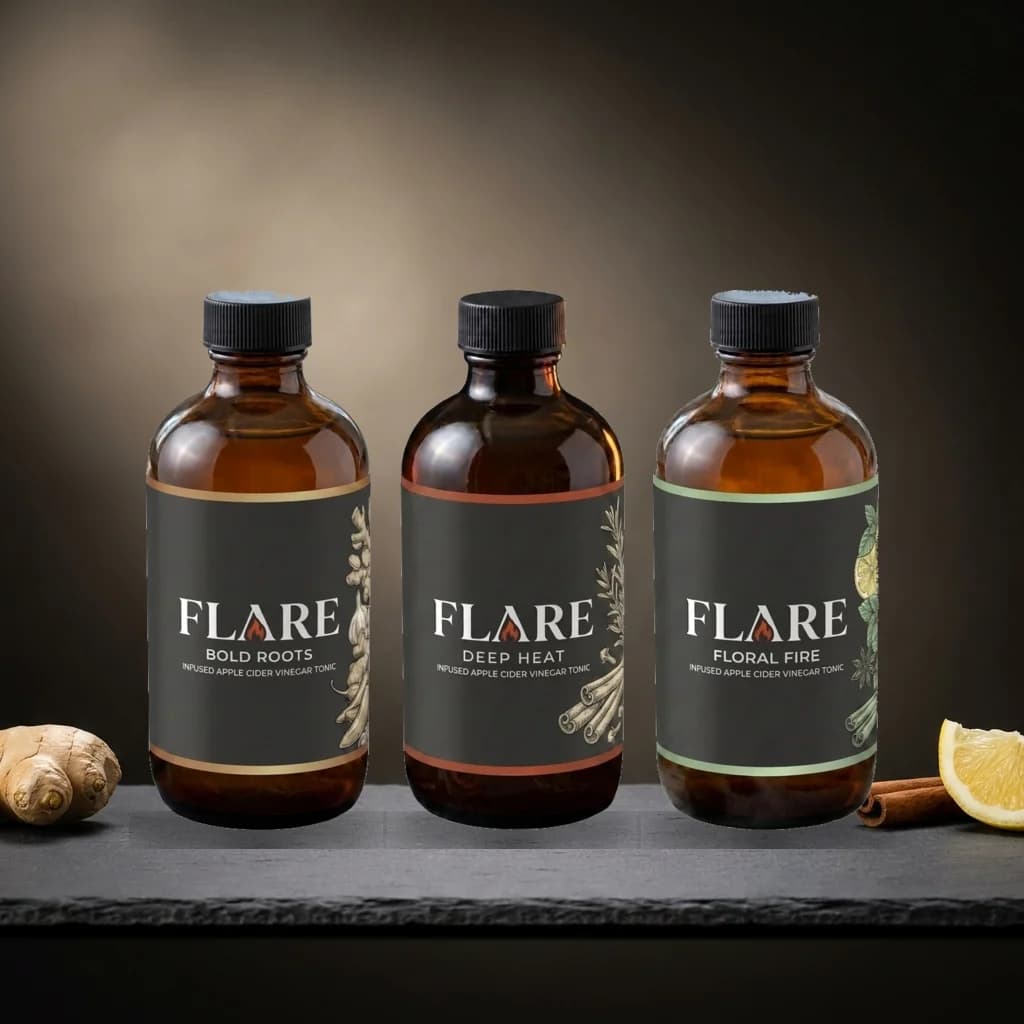
We didn’t set out to rebuild a 1748 recipe. We started from fire cider and worked on it until the shot stopped tasting like a punishment. But lay our ingredient lists next to that page and five plants appear on both, along with the vinegar and the long wait.
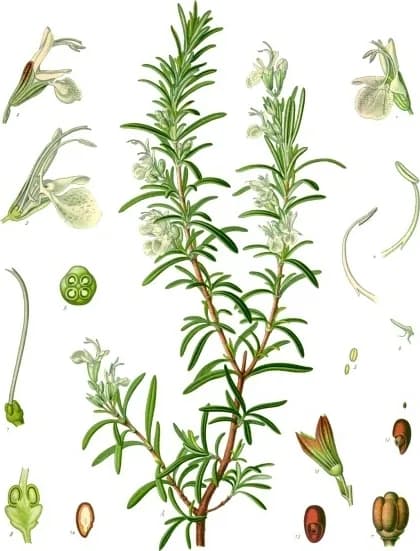
Rosemary
Rosemary
Bold Roots and Deep Heat
Mint
Mint
Floral Fire
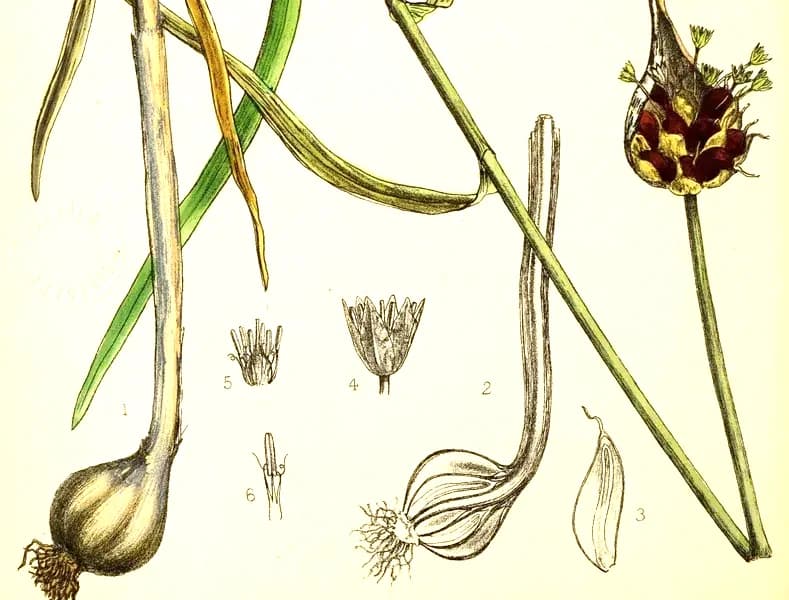
Garlic
Garlic
Bold Roots and Deep Heat
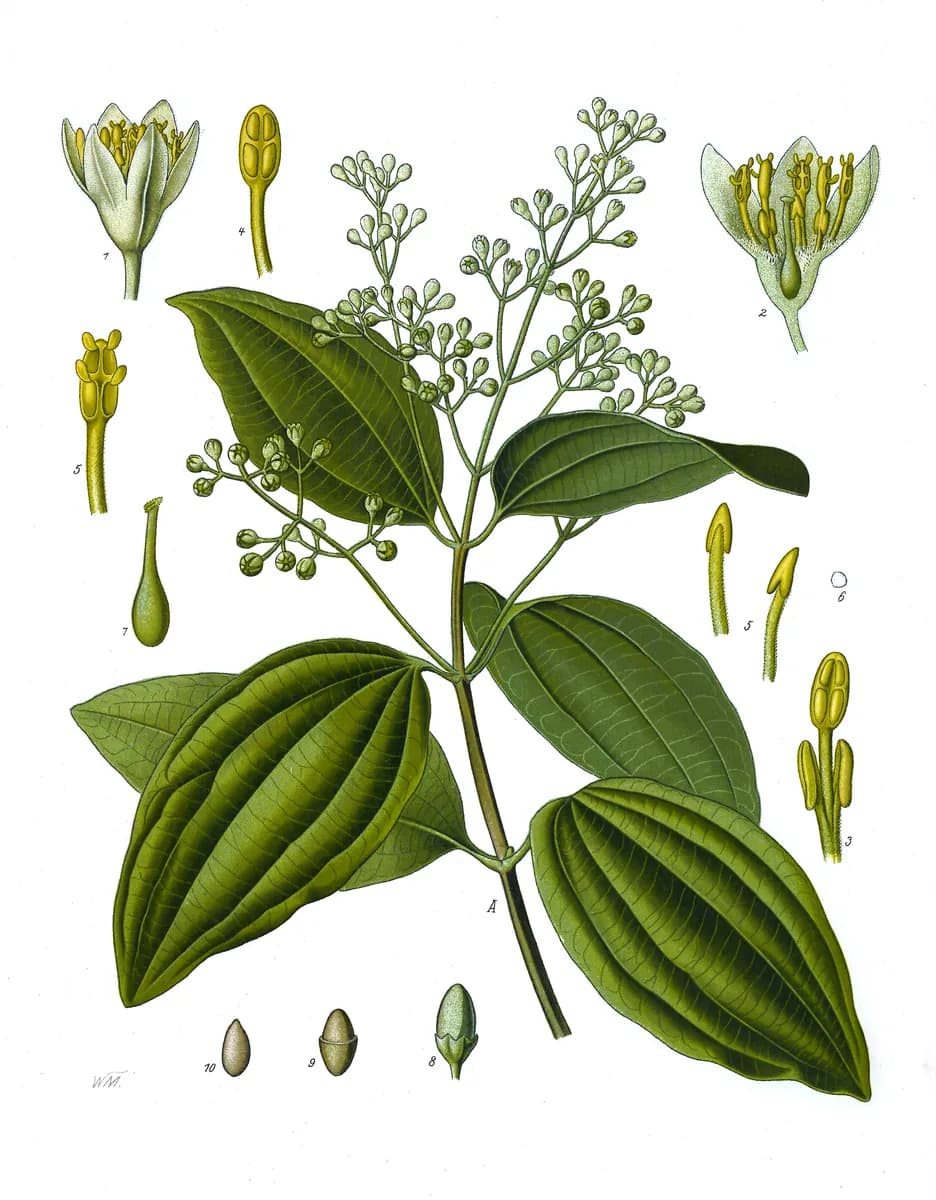
Cinnamon
Cinnamon
Deep Heat and Floral Fire
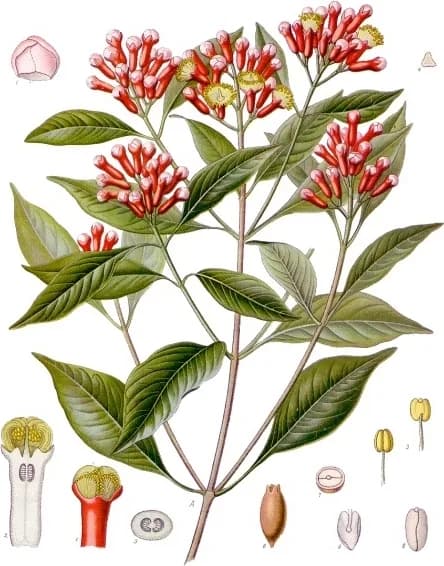
Cloves
Cloves
Deep Heat and Floral Fire
The 1887 atlas these engravings come from has no plate for garlic, so ours is from Bentley and Trimen’s Medicinal Plants of 1880.
What we’re actually claiming.
Nothing beyond what’s in the bottle. We won’t tell you it does what a 1748 pharmacist thought it did, because we don’t know what it does for anybody. People have been putting sharp plants in vinegar for a very long time, it was official once, and ours tastes good enough to drink on purpose.